WSG Expands Drill Intelligence Portfolio with Launch of OreSmart™
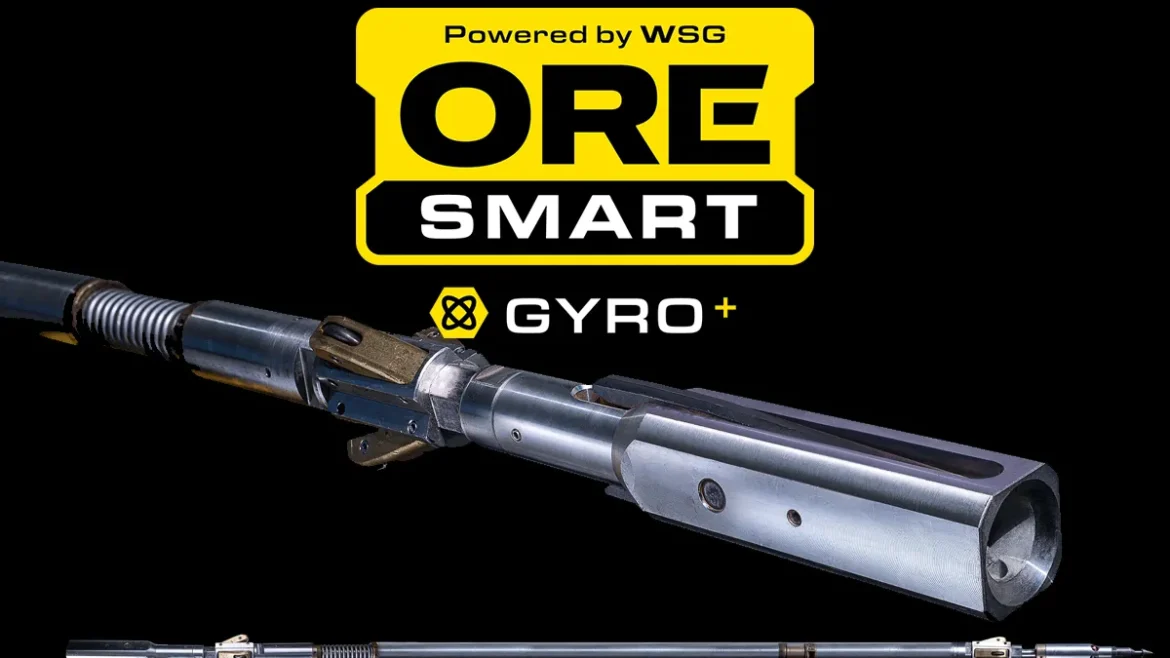
Showcase: OreSmart Gyro+ Combines Rig Alignment and Downhole Survey in a Single Innovative Tool
ADELAIDE, SOUTH AUSTRALIA – 22 September 2026 – Wireline Services Group (WSG), a provider of subsurface data acquisition and orebody knowledge technologies to the global mining and exploration sector, today announced the launch of OreSmart™, a new portfolio within its Drill Intelligence offering. The portfolio brings together Gyroscopes, Drill Rig Aligners and supporting software into a single suite of downhole navigation solutions designed to improve drilling outcomes.
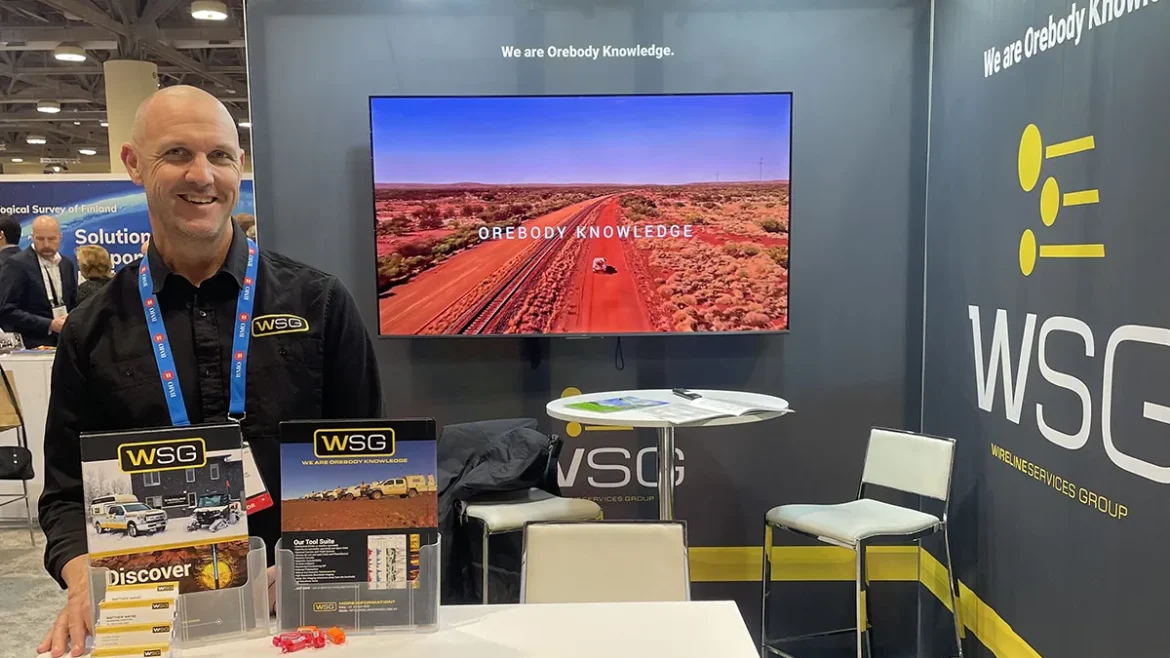
WSG is launching the portfolio at Drill26 in Adelaide, running from 22 September 2026, where the team will showcase the technology live at Booth 8 throughout the event.
Leading the launch is the OreSmart Gyro+, a north-seeking Gyrocompass that combines the functions of a Drill Rig Aligner and a Gyroscope in one compact instrument. The tool supports rig alignment, single-shot, multi-shot and continuous surveys, with an integrated wireline depth counter for efficient, accurate data collection, and can also be configured as an overshot assembly – giving drill crews and clients efficiency while collecting accurate data.
“The launch of the OreSmart Gyro+ marks an exciting milestone for WSG. For the first time in our history, we’re not only deploying industry-leading technology, but we are also bringing our own proprietary tools to market as a technology developer and manufacturer.
Together with our wireline services, geoscience expertise and automation capabilities, this strengthens WSG’s position as a true end-to-end provider of orebody knowledge solutions.” Matt Mayne, Managing Director – WSG.
Do More With Less
Hard-rock and diamond drilling operations have traditionally required multiple specialised instruments to align rigs and survey boreholes – adding cost, complexity and time to every job. The OreSmart Gyro+ addresses this directly, delivering the accuracy, productivity and reliability contractors and resource companies need in demanding drilling environments, while reducing the number of tools crews must mobilise, maintain and switch between on site.
The launch reflects WSG’s broader focus on turning subsurface data into better exploration and resource decisions. WSG’s technologies already support drilling and exploration programs across major commodities including gold, copper, iron ore, lithium, rare earths and nickel, and the OreSmart portfolio extends that capability into directional drilling and rig alignment.
See It at Drill26
WSG will officially launch OreSmart™ and demonstrate the OreSmart Gyro+ at Drill26 in Adelaide, beginning 22 September 2026, under the banner “Smarter Drilling. Better Outcomes.” Delegates can see the tool up close and speak with the WSG Drill Intelligence team at Booth 8.